
NBA Officially Moves Toward Expansion in Las Vegas and Seattle

By Ben Paradis
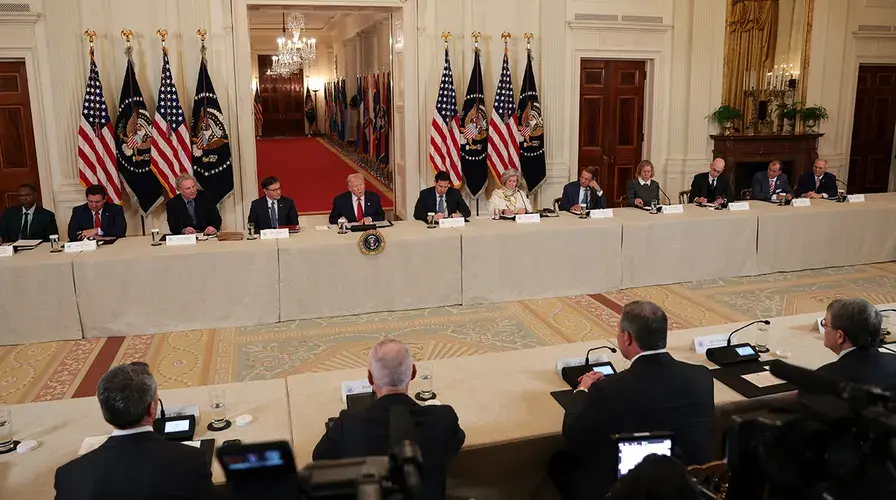
On Wednesday, March 25th, the NBA’s board of governors officially approved a vote for the league to explore bids and applications for expansion teams in Las Vegas and Seattle.
Despite rumors of certain parties - like New York Knicks owner James Dolan - being opposed to expansion, Wednesday’s meeting ended with all 30 owners voting in favor of franchises in Las Vegas and Seattle. Reports suggest that the owners see expansion as a promising opportunity for long-term revenue growth coming from two of America's largest markets.
In a public statement, NBA Commissioner Adam Silver said that Las Vegas and Seattle are “two markets with a long history of support for NBA basketball,” and that the league “looks forward to taking this next step and engaging with interested parties.”
What Happens Next
While it will be years before Seattle and Washington are playing NBA games, Silver hopes to put this process in motion before the end of 2026.
First, the league will move forward with examining franchise bids out of Seattle and Las Vegas over the next few months. These bids are formal proposals from prospective ownership groups, making the case for being awarded a franchise. In these bids, the group details who they are, their financial standing, arena plans, and broader analysis of the market. With the recent rise in franchise values across the league, industry executives project that these groups will pay between $7 and $ 10 billion for each team. Early reports suggest that both markets could be among the league's top eight revenue generators.
Given the considerable revenue potential, the NBA has partnered with PJT Partners as a strategic advisor to evaluate the markets, ownership groups, arena infrastructure, and broader economic implications of expansion. Once ownership groups are selected, the NBA board of governors will meet to finalize the transactions. The voting round must have 23 of 30 governors vote in favor to complete the transactions and officially expand the league. If all goes to plan, Seattle and Vegas should be hitting the court to start the 2028-2029 season.
The Costs and Benefits
As mentioned, the franchises are expected to sell in the $7 billion to $10 billion range per franchise. Not only are prospective owners buying a team, but they’re entering a very lucrative set of revenue streams in the NBA. Thus, the league's revenue will be split among two more teams, theoretically lowering revenue for current owners.
Because of this, the 30 existing owners receive a share of the franchise sale as compensation for diluting their share in league-wide revenue streams like TV deals, merchandise, sponsorships, and more. If the two new franchises sell for a combined $15 billion, each current owner would take home a check of about $500 million. With so many questions circling NBA media about the potential on-court detriments of expanding the league, fans can't help but speculate whether money was the primary motivator for current owners.
The Precedent
The NBA hasn't expanded since 2004, meaning league operations, revenue potential, and commercial partnerships look very different for prospective franchises today. That said, past expansions remain the only benchmark for predicting how this process will unfold at a league operations level.
When the Raptors and Grizzlies entered the league in 1995, the NBA conducted an expansion draft. Each existing team could protect up to eight players under contract, and the two expansion teams alternated selections, limited to one player per existing franchise. Along the way, existing teams could negotiate with the new franchises — offering future draft picks to avoid losing certain players, similar to how deals are structured around the annual rookie draft.
Expansion also carries salary cap implications. New teams have historically been forced to operate under a reduced cap in their first two seasons. When Toronto and Vancouver entered the league, they were limited to 66.7% of the league cap in year one and 80% in year two.
Finally, conference realignment appears inevitable. Both Seattle and Las Vegas are expected to join the Western Conference, which would require two existing teams to shift east to keep the league balanced at 16 teams per conference. Early reports indicate the most likely candidates for that move are the Minnesota Timberwolves and Memphis Grizzlies.
An Exciting Future
Wednesday's vote was a meaningful first step towards expansion, but plenty remains unsettled. The ownership bidding process will be extensive, arenas need to be sorted out in each city, and the final vote still needs to pass before anything becomes official. Regardless of the legal and financial components that must be finalized, this is an exciting time for everyone involved with the NBA. In an ever-changing basketball landscape, expansion promises a seismic shift.

Comments